
Thank You, Silas Goodrich
Words by Chip O'Brien
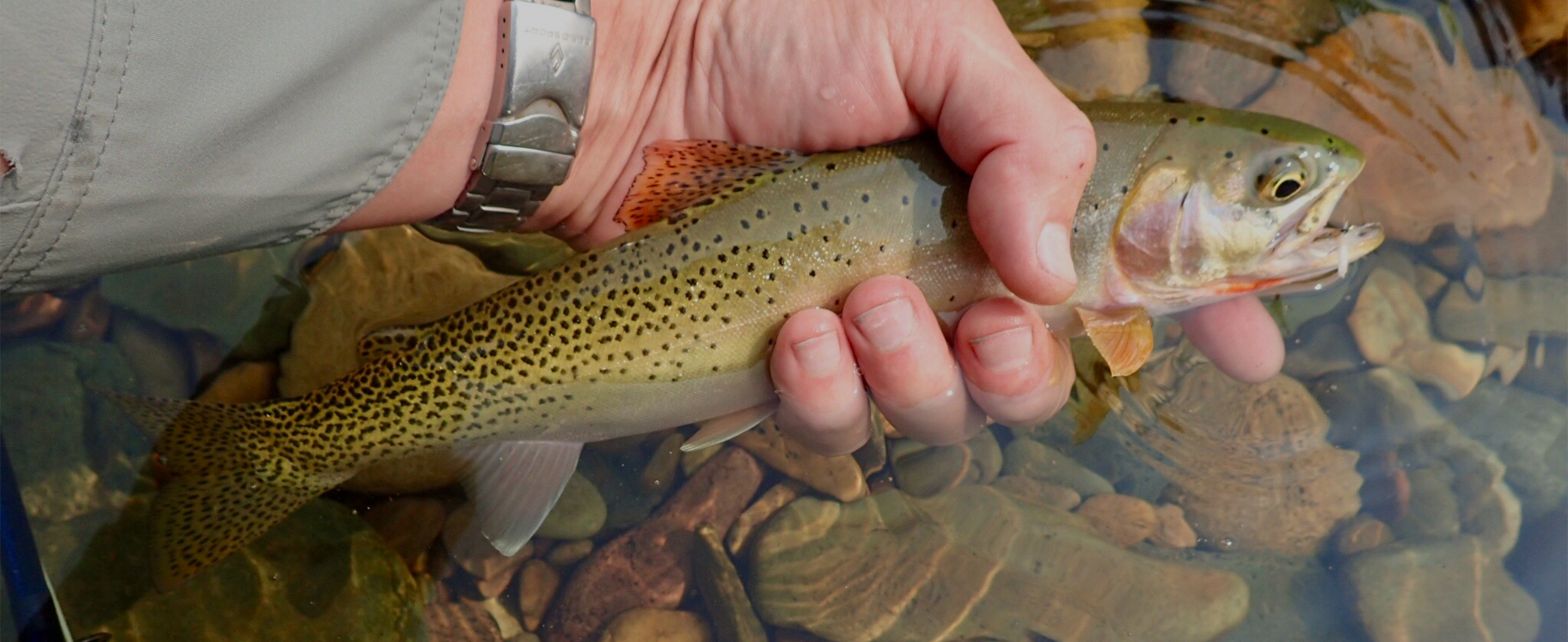
We're going to give Silas a pass on being a bait fisherman because it was June 13, 1805 and he was fishing for food. North 40 Outfitters (House of Fly) had not yet arrived in what is today Great Falls, Montana, but the Lewis and Clark Expedition had.
"Goodrich had caught half a dozen very fine trout," wrote Meriwether Lewis. "These trout (caught in the falls) are from sixteen to twenty-three inches in length, precisely resemble our mountain or speckled trout in form and the position of their fins, but the specks on these are of a deep black instead of the red or gold color of those common to the U. States."
Lewis, of course, was comparing Goodrich's trout to the only trout he was familiar with, the Eastern brook trout. He went on to describe Corps of Discovery member Silas Goodrich as "remarkably fond of fishing," and he often contributed his catches to keep the expedition fed. Thanks to Goodrich, Lewis and Clark were the first non-Natives to describe a previously-unknown trout, Oncorhynchus clarkii lewisi, the fish we know today as the westslope cutthroat trout.
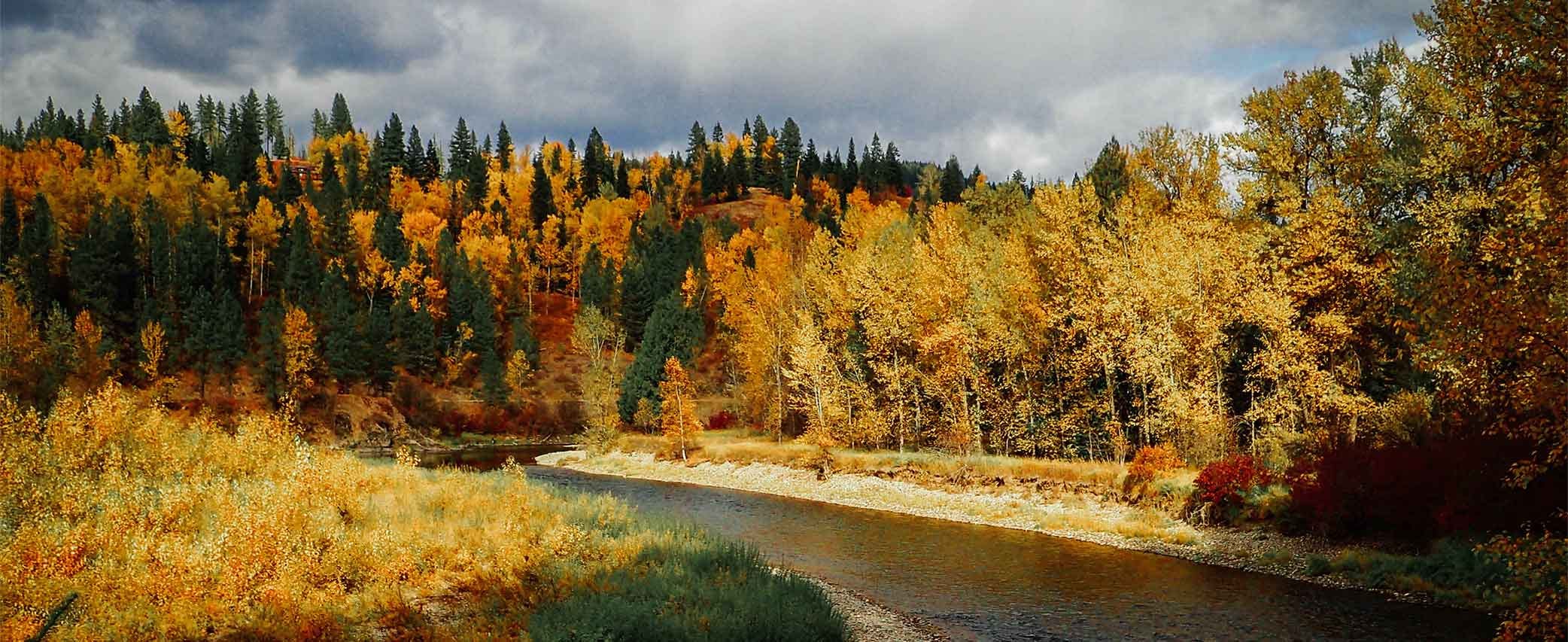
Not far over the border in neighboring Idaho, the North Fork Coeur d'Alene and the St. Joe Rivers are easily among the most enchanting wild westslope cutthroat trout streams anywhere. Framed by lush mountain dreamscapes, host to herds of whitetail deer and elk, and visiting either river offers a better-than-average chance to meet Bullwinkle.
Compare/Contrast
From Spokane it's a quick jump over the Idaho border to either the NF Coeur d'Alene or St. Joe Rivers. While two distinctly different watersheds, they are similar enough and close enough together to make it tough deciding which one to fish on a given day. There are no bad options. Both are healthy, vibrant fisheries with oh-so colorful pasts.
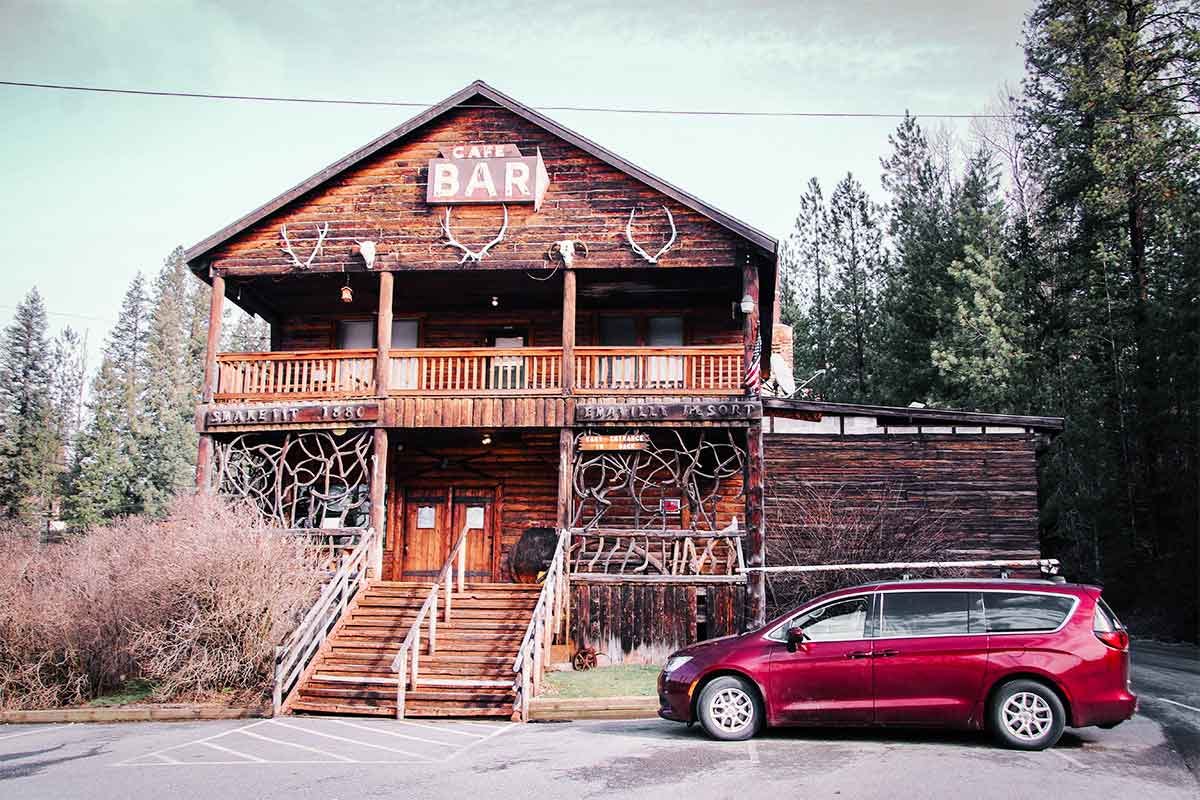
Anglers heading east on I-90 from Coeur d'Alene exit at Kingston (Exit 43) to head up the North Fork, and there is almost 40 miles of fishable water in the system. Not far off the freeway you will pass the Snake Pit, the oldest restaurant (and bar/bordello at times) in Idaho.
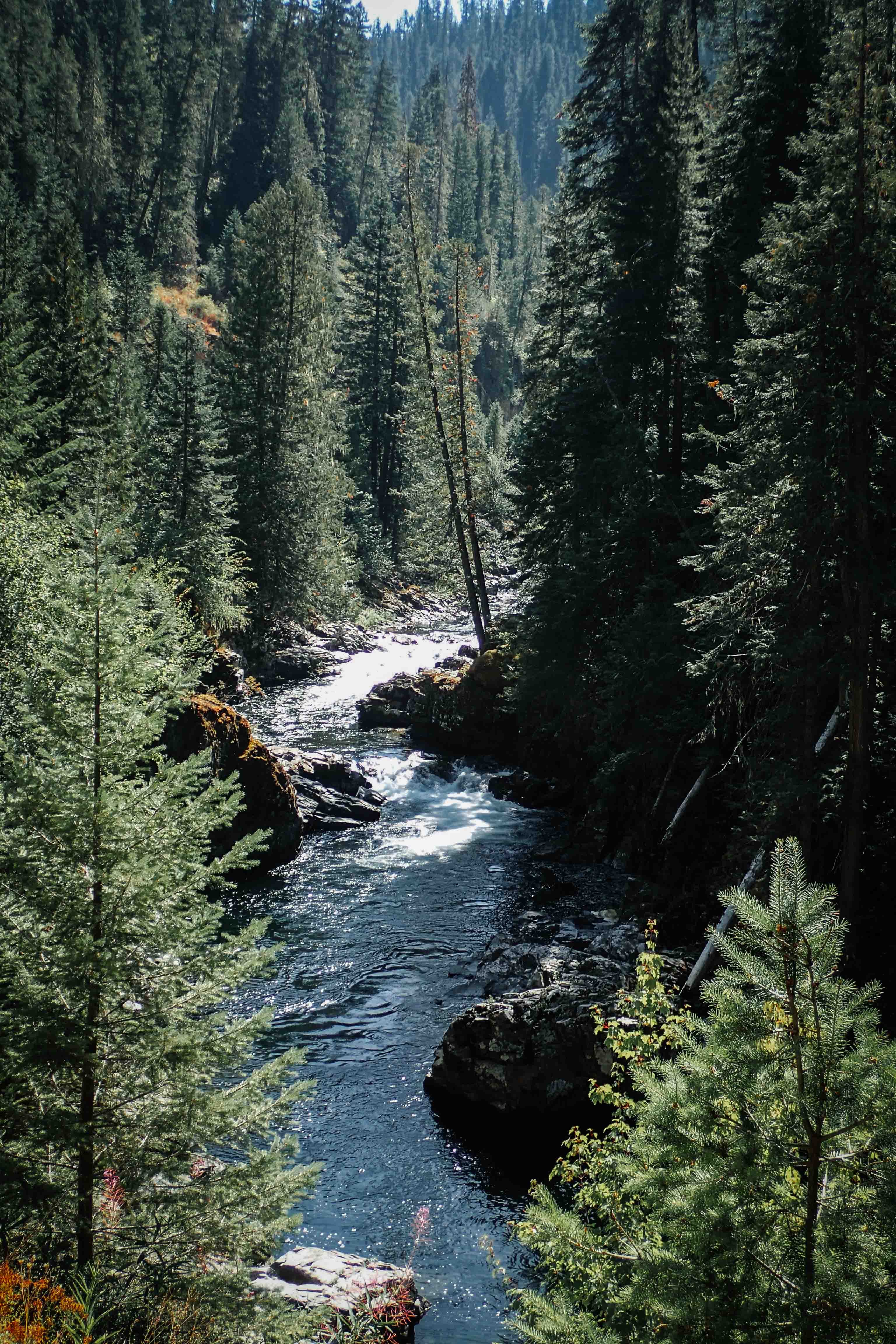
The St. Joe River is south of Lake Coeur d'Alene and east of St. Maries. Similar to the North Fork in many ways, the St. Joe offers almost 80 miles of fishable water. Depending on how far upriver you want to go, the road takes you through the thriving metropolises of Calder and Avery. Both rivers are host to numerous official and "unofficial" campgrounds, fairly easy wading as well as numerous places to launch boats.
Both streams are open year-round, but they often quit plowing the road above Prichard on the North Fork Coeur d'Alene and past Avery on the St. Joe in the winter. The regs. say catch and release on westslope cutthroat trout, barbless hooks and artificial lures or flies only. Bait is prohibited.
Major hatches
A hatch chart for both rivers would look something like this: Dead of winter Dec.-Feb. look for tiny midges and BWO mayflies. Next appear the Skwala stoneflies, followed by March Brown mayflies, Mother's Day Caddis (brachycentrus), Yellow Sallies, Golden Stones and the big Salmonflies (pteronarcys californica). Summer is terrestrial season with hoppers, ants and beetles becoming important. As things start to cool off in the fall it's time for Mahogany Dun mayflies and the big October Caddis.
It's interesting to note that all the water is not equal. If you find yourself suddenly catching brilliantly red fish, you have likely found an area of the river rich in scuds.
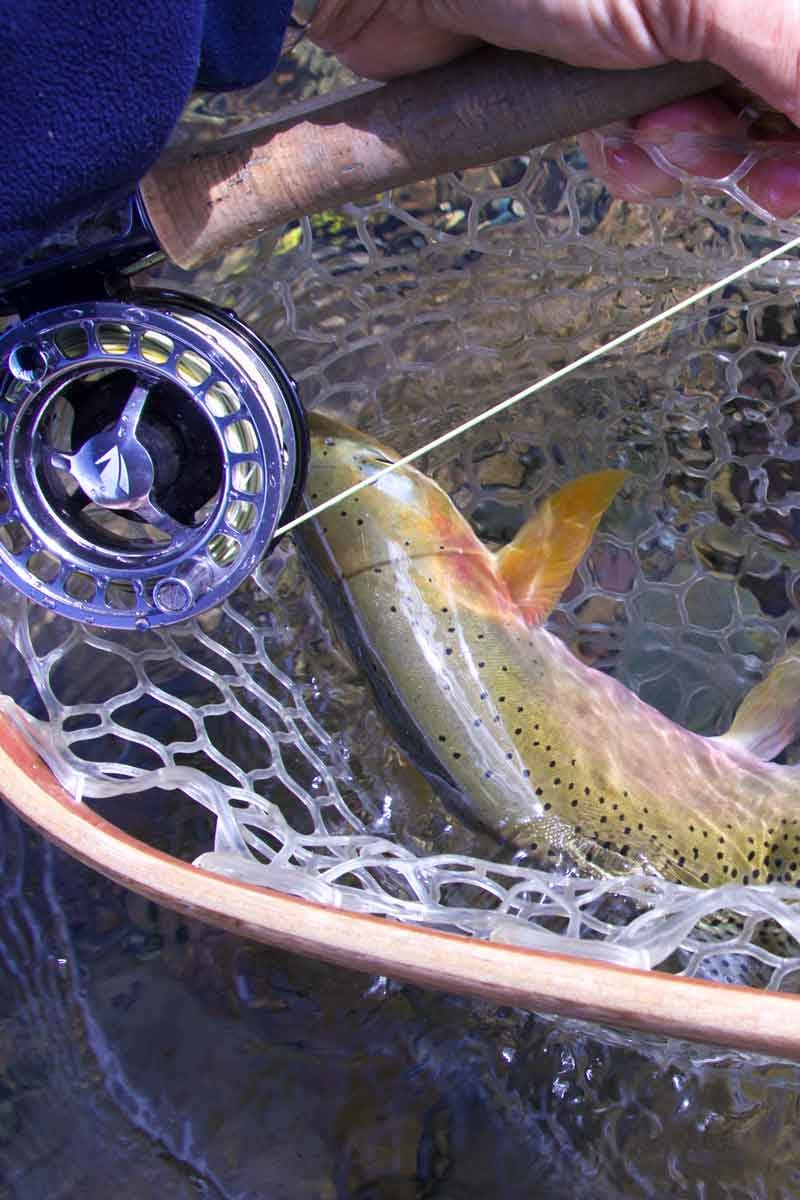
There are a lot of ways to fish either river successfully, and it generally comes down to what kind of fishing you prefer. Nearly everyone enjoys throwing dry flies, and westslope cutts are beloved for their affinity for taking food on the surface. A great opening gambit is throwing hopper-dropper rigs with a buoyant dry fly on top with a general-purpose nymph (like a Pheasant Tail or Copper John) on point.
Both rivers offer miles and miles of good nymphing water, and some form of Euro nymphing, short-line or high-stick nymphing can be absolutely deadly. And don't forget streamers. Westslope cutthroat trout will pound streamers almost half their size, and tossing them with a trout spey setup can be deadly. The North Fork is regarded as the place to go for larger fish while the St. Joe is better known for numbers of fish.
historic north fork coeur d'alene river
The North Fork Coeur d'Alene River flows through a part of Idaho known as Silver Valley. Rich deposits of gold and silver and a host of other metals were discovered in the area attracting miners from all over the country. These were rugged, frontier days and life in Silver Valley was as rough and tumble as anywhere else in the wild, wild west. Most people in the area in the 1880s were either miners, loggers or women of, ahem, ill repute.
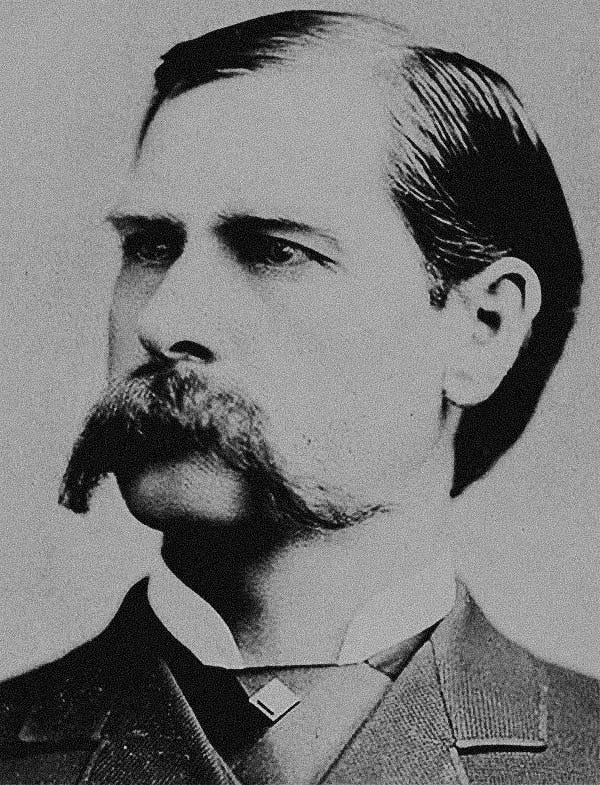
A few miles north of Prichard was a small town called Eagle City (now a ghost town). In 1884 Eagle City was home to Kootenai County deputy marshal (drum roll please) Wyatt Earp. (Yes, that Wyatt Earp.) He had his own barstool at the Snake Pit.
The Snake Pit
Wyatt Earp
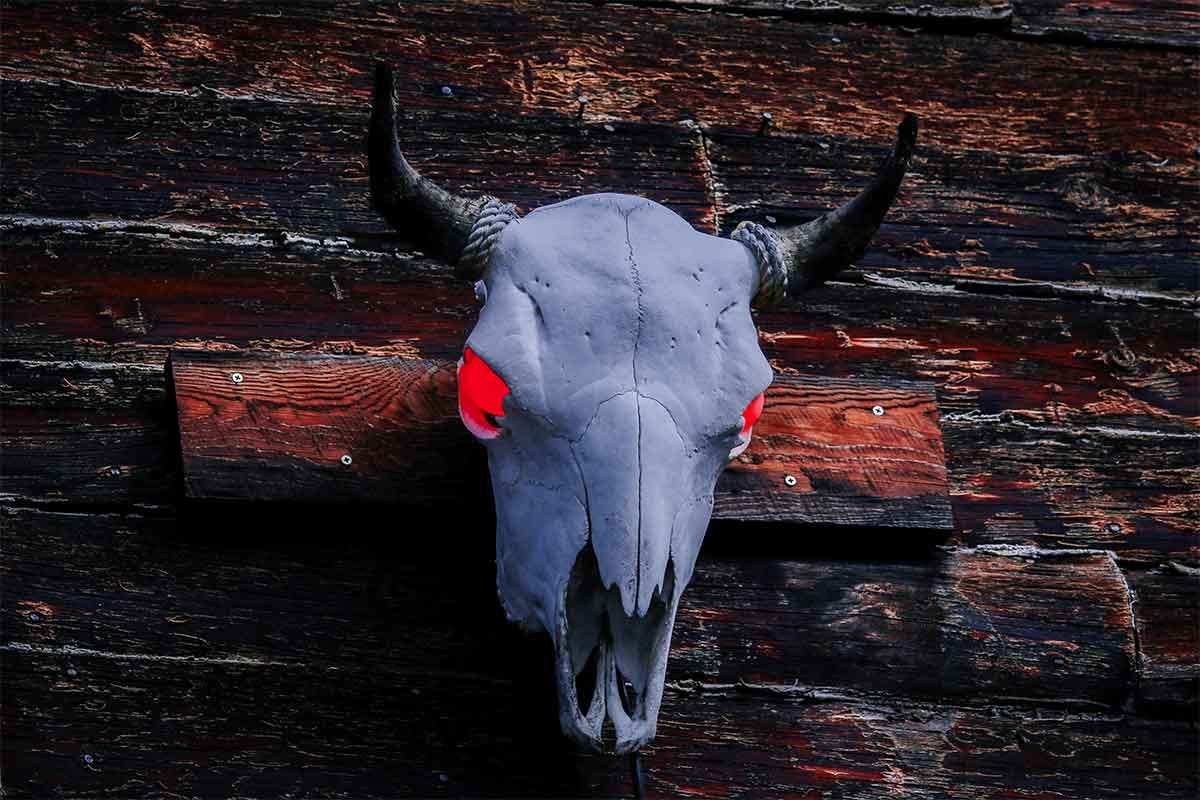
The Snake Pit is not named after those legless reptiles we all know and love. Back in the day "snakes" were one of several nicknames given to the "working girls" catering to the miners and loggers so plentiful in that time and place. Some time after electricity came to the area a set of red light bulbs were added to the cow skull mounted on the outside of the building. When the eyes were lit up, would-be clients understood there were girls available.
The North Fork dodged a bullet when Bunker Hill Mine filed a claim on Milo Creek just south of Kellogg in 1885. Between 1885 and the late 1960s, Bunker Hill Mine (now an EPA Superfund site) dumped 100 million tons of heavy metal mining waste into the South Fork Coeur d'Alene River and its tributaries.
Early on it was obvious the mine waste was destroying the environment, but the mines were so good for the local economies that it was allowed to continue for generations.
historic st. joe river
Before being re-named the St. Joe River by Catholic missionaries, it was known as the Swiftwater River. Notable as the highest navigable river in the world, the St. Joe River (Avery specifically) played a role in the catastrophic "Big Burn" fire that is still considered the largest wildfire in American history.
It's been called a "perfect storm." While the spring of 1910 provided plenty of snow and rain for the area, in May the faucet mysteriously ran dry. By August the area had gone months without a single drop of rain. Add to these conditions dry summer lightning and relentless winds and it's not hard to imagine how things exploded into a firestorm the likes of which no one had ever seen. In 1910 the recently-formed U.S. Forest Service had not fully figured out the best ways to contain forest fires, and certainly not ones on such a large scale. Parts of Montana, Idaho and Washington were incinerated.
Most anglers are familiar with the little town of Avery on the banks of the St. Joe River. When it looked like the conflagration was heading in that direction there was fear the town might be consumed in flames. U.S. Forest Service firefighters were already spread pretty thin so the 25th Infantry, ID Company G from Fort Spokane (known as Buffalo Soldiers) were dispatched to save Avery.
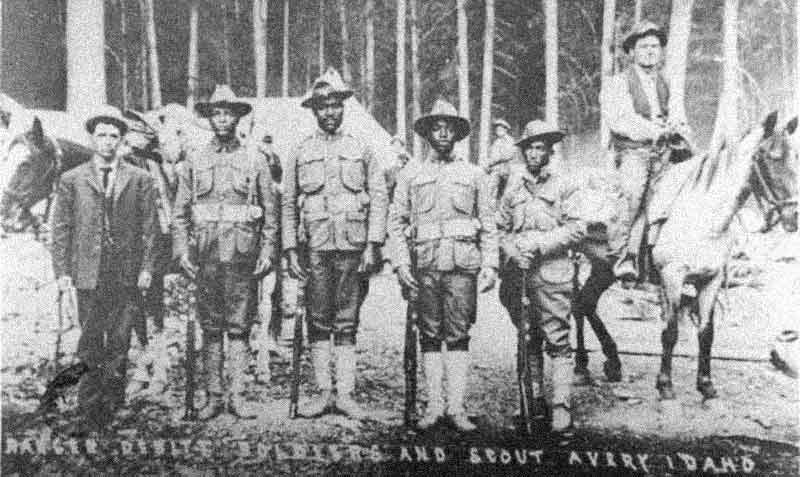
25th Infantry, ID Company G from Fort Spokane (known as Buffalo Soldiers)
In 1910 few residents of Avery, Idaho had ever seen an African American before. Because humans can be such stinkers and we always fear what we don't understand, rumors circulated that these efforts were likely to be futile because the soldiers played cards and drank alcohol all night long. According to the PBS documentary "The Big Burn," when the Buffalo Soldiers arrived in Avery the black population of the entire state of Idaho almost doubled.
Because the soldiers lit a backfire to remove fuel from the fire's path combined with a lucky change in wind direction, Avery was saved. Suddenly the black soldiers who were initially feared were transformed into beloved town heroes, as they should have been.
Just north of Avery the fire seemed to be headed toward Wallace, so U.S.F.S. Forest Ranger Ed Pulaski was assigned to lead 45 firefighters in helping protect the town. Just south of Wallace the men became surrounded by the blaze. Pulaski ordered his 45 men into an abandoned mine. Gripped by panic, one of the men tried to flee the mine. Pulaski pulled his pistol and announced anyone trying to leave would be shot. Since big fires suck up oxygen like nobody's business, all 45 men lost consciousness. All but five woke up again.
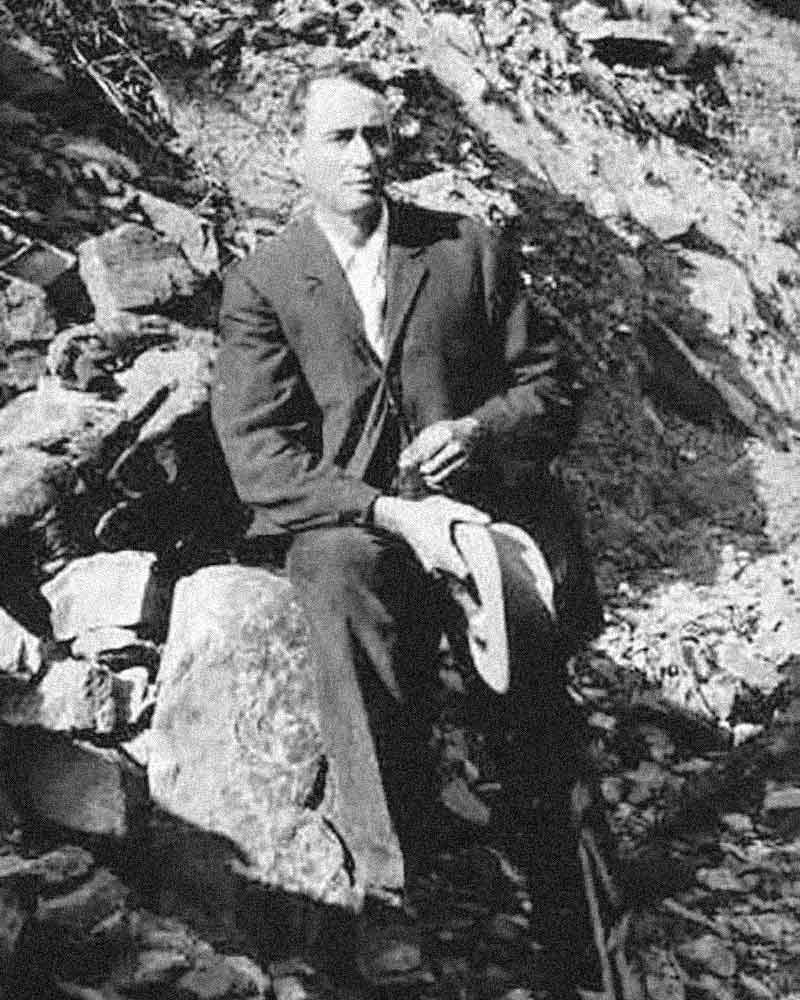
U.S.F.S. Forest Ranger Ed Pulaski
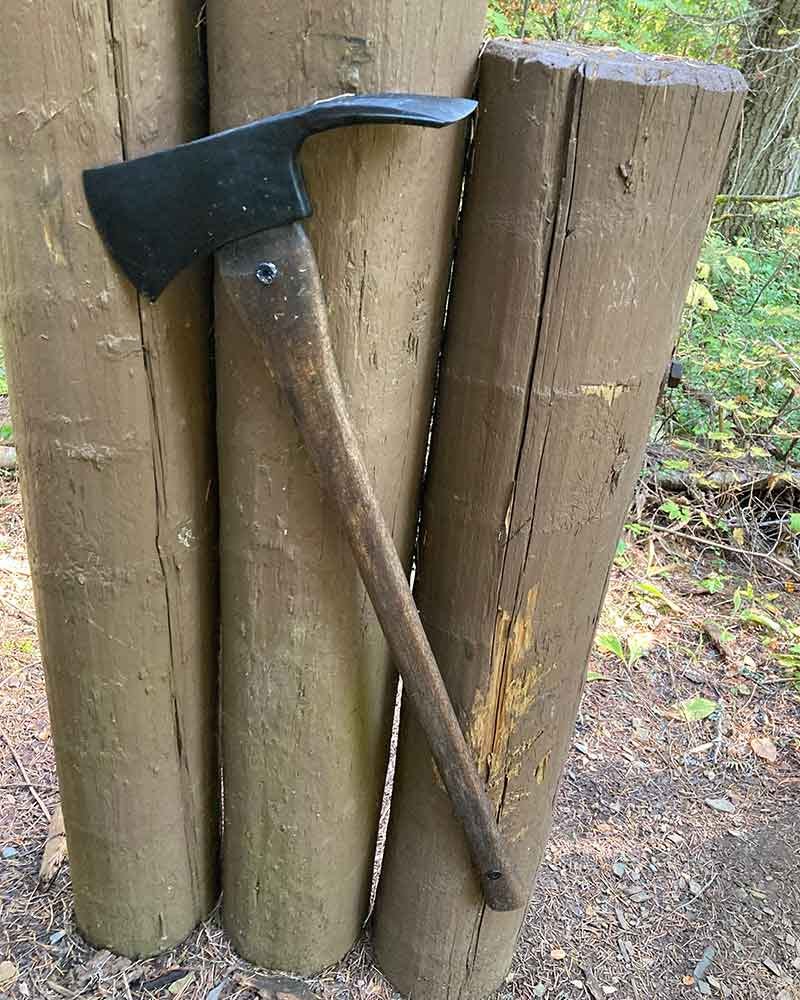
Pulaski Firefighting Tool
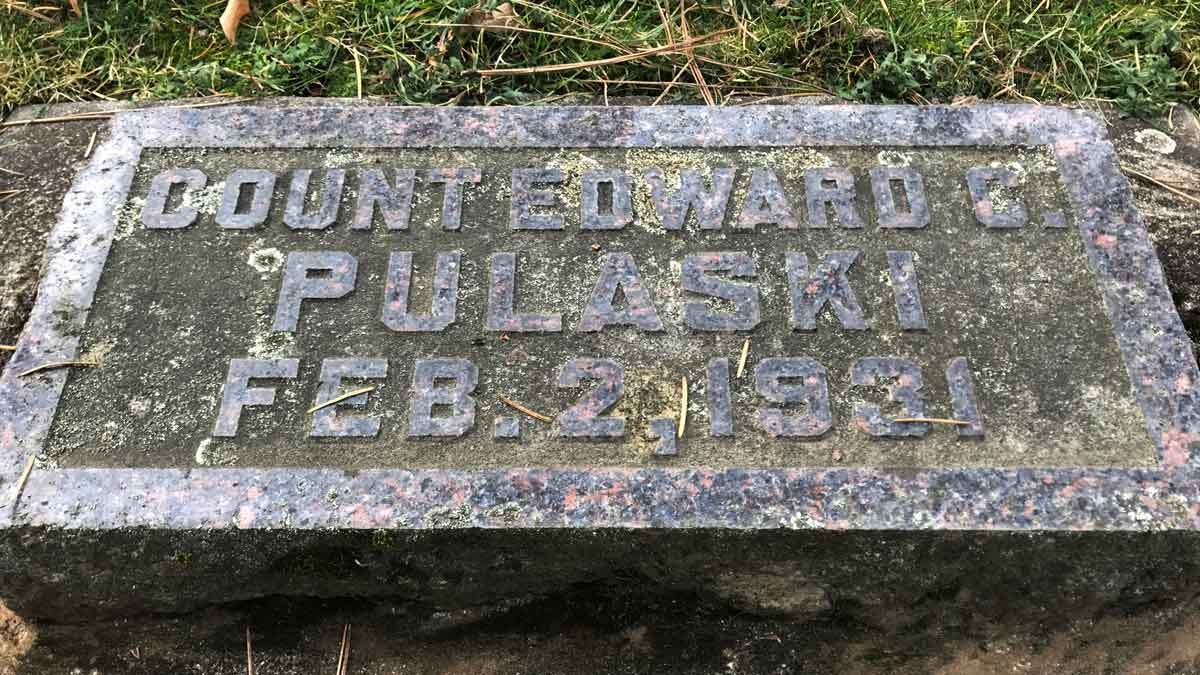
Before Pulaski was fully awakened, one of his men announced "Come outside boys, the boss is dead." Right on que Pulaski replied, "Like hell he is." (I always hear that line in my head spoken in John Wayne's gravelly voice.) Pulaski was celebrated as a hero for the rest of his life and is buried in Coeur d'Alene's Forest Cemetery. Though considered a soft-spoken kind of guy, throughout his life he claimed to be a descendant of Casimir Pulaski, a Polish nobleman. After his death his wife was responsible for his gravestone reading "Count Edward Pulaski." 5480-foot tall Mount Pulaski southwest of Wallace is named for him, as well a popular firefighting tool still in use today called (you guessed it) a "pulaski."
You can hike the beautiful Pulaski Tunnel Trail just south of Wallace and see the mine where Ed Pulaski saved most of his crew. Excellent signage along the way outlines the story of the fire and Pulaski's leadership and heroism.
Bing Crosby and Clark Gable were fond of fishing the St. Joe back in the day. It's said that Bing especially loved fly fishing the area around Red Ives. Local legend suggests Crosby paid a cab to take him from St. Maries 80 miles upstream to Red Ives at least twice.
According to "Up the Swiftwater" (by Sandra A. Crowell and David O. Asleson) Marble Creek resident Red Powell stopped at a bar in St. Maries one day only to hear owner Bud Spiesman announce, "It's on Bing Crosby. He just bought drinks for the house." Red asked where Crosby was, and Spiesman replied "Sitting right next to you!" And there he was.
President Warren G. Harding as well as William Howard Taft and Harry S. Truman (while campaigning) also blew through Avery.
Needless to say, any number of luminaires have been drawn to the NF Coeur d'Alene and St. Joe Rivers following in the footsteps of Silas Goodrich. They may have taken a few westslope cutthroat trout along the way. But what they left behind is so much more than just great fishing in two magical places. Consider adding to the legacy.