
Fred Telleen's Montana Mini Intruder
Words by Fred Telleen
"Dry" Fly January v. 6
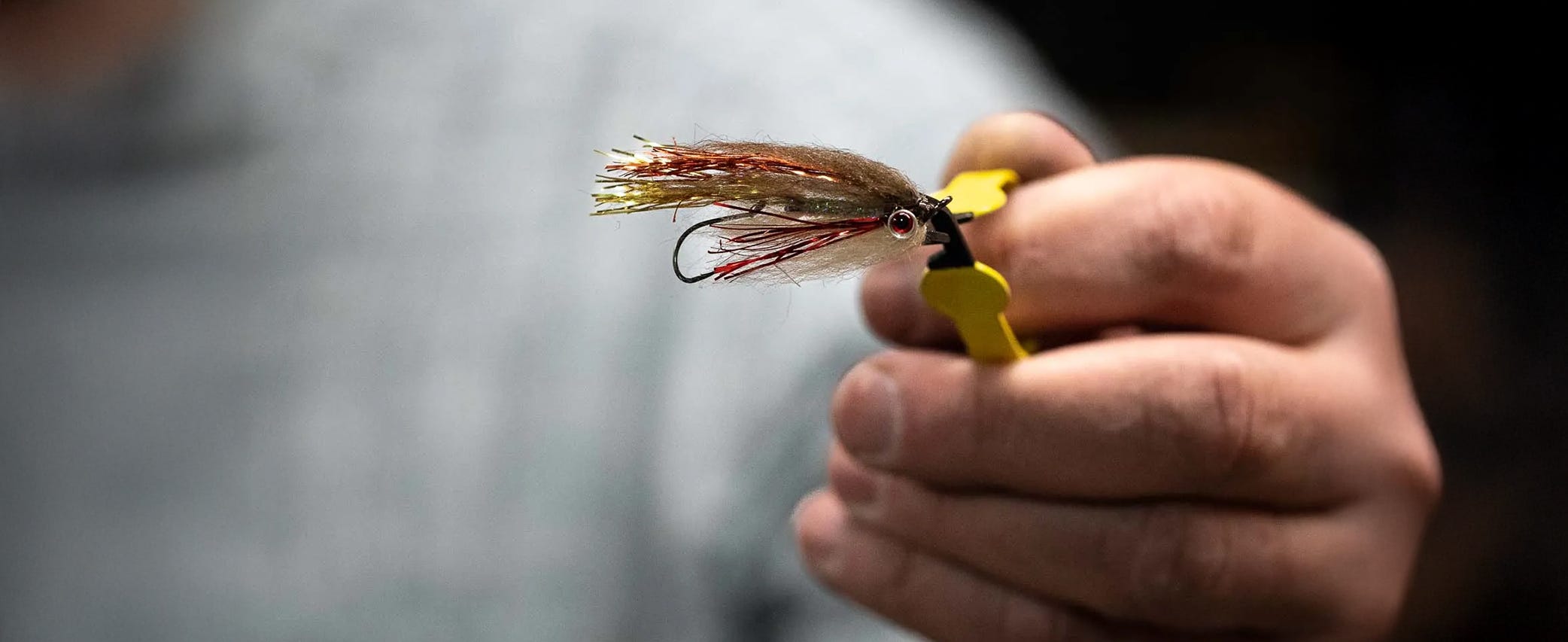
The first time I swung a fly on the Missouri River was in May of 2007. It was a caddis pupa called a Fuzz Face that I picked up at The Trout Shop in Craig, Montana, and it worked like a charm. I was on my way to Alaska to begin my 19th year of guiding on the Kenai River and decided to stop for a day to explore the Missouri on my northbound trek. I like to say that I never have any regrets about the days I decided to go fishing, only the days I do not. The decision to stop on the Missouri turned out to be life changing.
I settled into Great Falls, Montana, in mid-October after that Alaska season and gradually became a Montanan. I continued to guide in Alaska through 2014, but the Missouri became my playground for seven months of the year and is where I really began to dig into trout spey. The Missouri has now become my home river.
The flies I was swinging in the early years were the same ones I was using in Alaska. Mostly bunny-strip sculpins and strip-style leeches. They worked, but I soon learned that fish on the Missouri would respond, at times, very well to more flash. I began to work the flashy Intruder-style flies I tied for silver and king salmon into colors that worked better on Missouri’s trout. The Montana Intruder was the first iteration that worked consistently well.
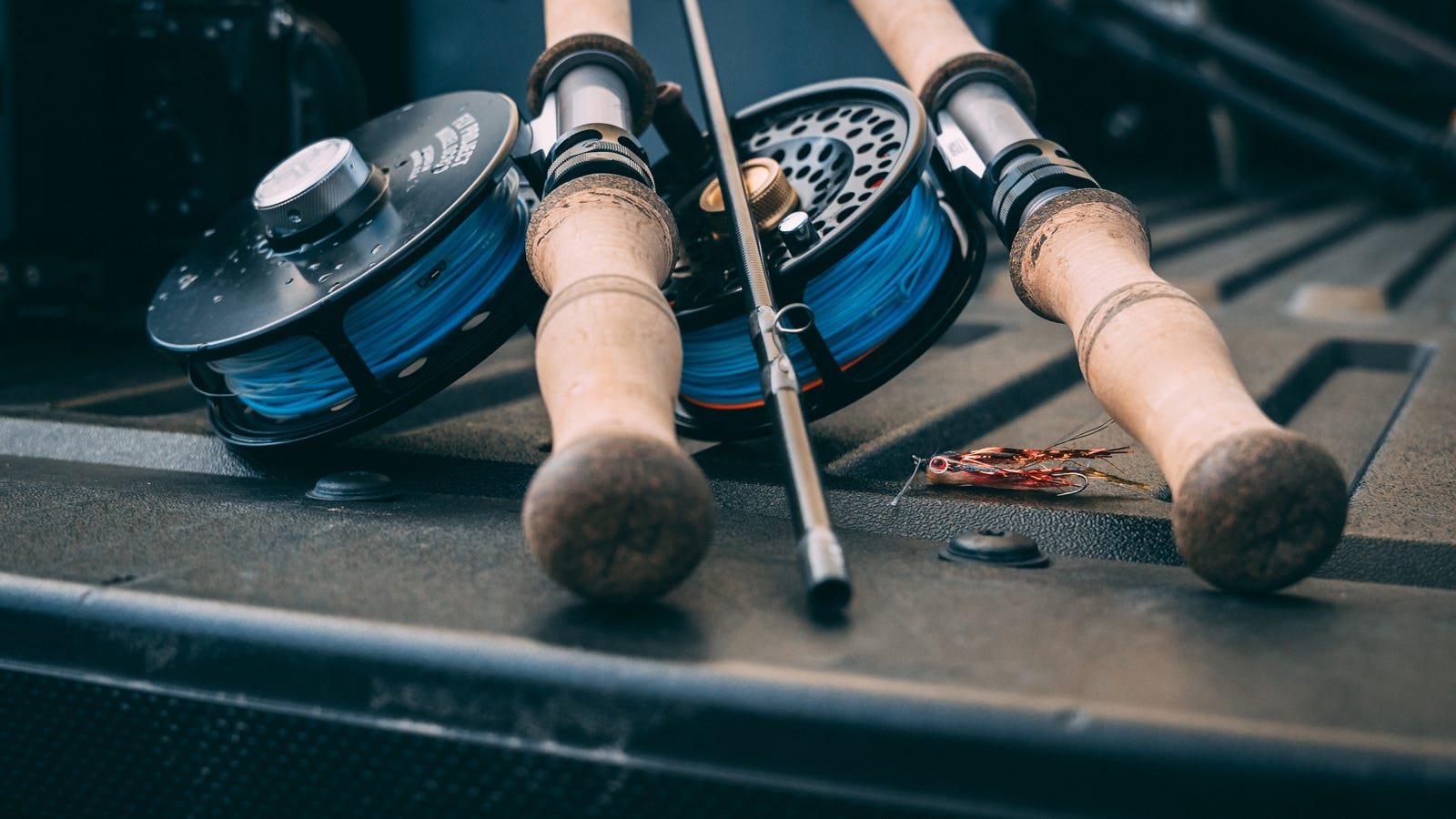
By 2015, trout spey was becoming more popular, and two and three-weight rods were common tools for anglers. My old bunny sculpins and strip leeches were easily castable on the 11’ 9” 6-weight I preferred for Alaska, but not very launchable on the 11’ 3-weight that was becoming my standard rod on the Missouri. The fish were also seeing more swung flies and becoming less grabby on the bigger stuff. So, I scaled the Montana Intruder down to a Mini version for castability on the lighter rods and in a more reliable size for trout grabs.
The Original Recipe (available commercially)
Thread: 6/0 or 140 Denier Brown
Shank: Waddington 15mm
Wire: Senyo’s Intruder Trailer Wire for Hook Size 6 or smaller (thin)
Eyes: Squatchy Dumbbells Brass 4mm Olive Green/Red
Tail Rise: Ice Dub UV Tan
Tail: Gold Flashabou
Wing: Copper Flashabou
Throat: Red Flashabou
Top Head: Senyo’s Laser Dub Brown
Bottom Head: Senyo’s Laser Dub Tan
The Dark Days Recipe
Thread: 6/0 or 140 Denier Black
Shank: Waddington 15mm
Wire: Senyo’s Intruder Trailer Wire for Hook Size 6 or smaller
Eyes: Squatchy Dumbbells Brass 4mm Black Red
Tail Rise: Ice Dub UV Black
Tail: Copper Flashabou
Wing: Black Flashabou
Throat: Red Flashabou
Top Head: Senyo’s Laser Dub Black
Bottom Head: Senyo’s Laser Dub Black
Tying Tip: The 2” Montana Mini Intruder is perfect for flinging on two-to four-weight trout spey rods. When you tie one, you can choose to run the hook either up or down on your wire. In summer, I swing it fast and high through riffles and over buckets with the hook angled down. In cold water, I fish it slow and deep with the hook riding up, Clouser-style. This keeps bottom contact to a minimum and hookups to the maximum. When I get hungry for some solid tugs on trout spey two-handers, this is one of the most effective flies I I tie on.