
Your Winter Sow Bug Solution: Wike's Tailwater Charlie
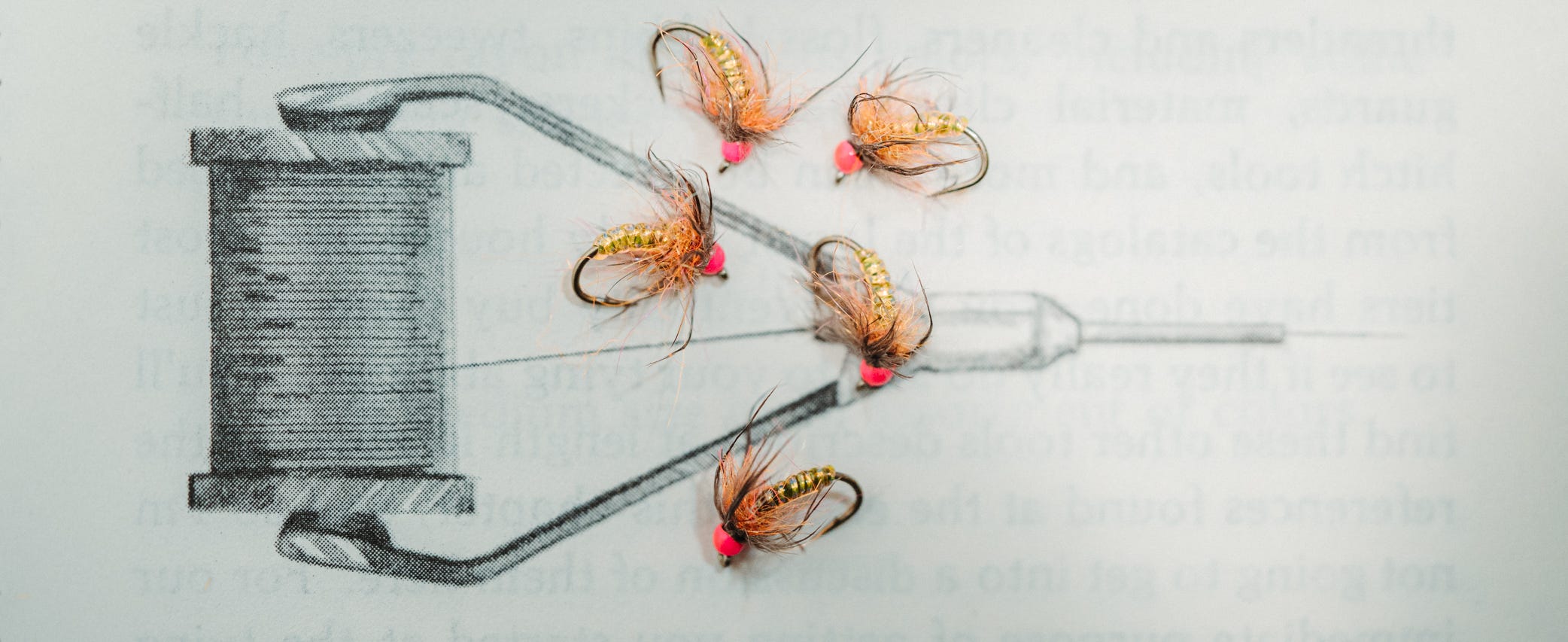
Tie by Sam Wike
"Dry" Fly January v. 4
This may not be a “dry fly” for January, but it is a “fly” for January and the rest of winter, especially on tailwater streams where sow bugs reign supreme in a trout’s cold-season diet, and it fits nicely into our promotion with the full intention of getting you behind the vice and winding up a few of these.
This pattern may be no more effective than the standard go-to sow bug choices--which include Lance Egan’s Tailwater Sow Bug, the Firebead Softhackle Ray Charles, and Ben McNinch’s Pill Popper--but the Tailwater Charlie gives you one more tool in your fly box, something that fish on your favorite stream may never have seen. A trout has a brain the size of a pea but I think we can all say, they know what they’ve seen floating past their snouts a thousand times and they know what’s bitten back. If you get refusals on your standard sow bugs and you want to give them something new, try the Tailwater Charlie and see what happens.
This pattern was developed by Sam Wike, who runs operations at House of Fly and The Fly Project, and is known to prowl the banks of Montana’s Missouri River at any time of the year. Christmas. New Year’s Day. Blizzard in February, or a scorcher in July. Doesn’t matter, he’ll throw, and one of his favorite patterns for the winter season is the Tailwater Charlie. Wike likes to run the Tailwater Charlie under and indicator as a lead fly with a copper head or as the bottom fly with a glass bead head. Sizes 16 and 18 are the ticket. Check out the video and materials list and whip out a few of these for the winter season.
TAILWATER CHARLIE
Materials
Hook: Genryuu HS4TM
Body: D-Rib
Body: Hedron Dyed Mirage Lateral Scale
Bead: Hareline Dazzle Brass Bead Heads
Dubbing: Wapsi Dave Whitlock SLF Dubbing Dispenser
Collar: Pheasant After Shaft Feathers
Tying TIps:
I tie this fly a lot of ways. Sometimes I skip the D-rib altogether to make a thinner body. I also tie this an electric green caddis version. If you don't have pheasant after shaft feathers to use it is absolutely okay and can even look better to just use a soft hackle hen feather sized correctly. Another common combination I use is Rainbow Scud Dubbing behind the collar and clear rib. This is an easy fly that can be tied in many combinations to imitate a large variety of species.